The One Habit That Instantly Makes Living in Burnaby Easier (And Most People Ignore It)

There’s a pattern I see all the time in Burnaby: people live here for years, but they still operate like visitors. They react to the city instead of working with it. That’s why errands feel longer, weekends feel rushed, and everything seems just a bit more inconvenient than it should be.
Here’s the fix—and it’s almost embarrassingly simple:
Build a Personal “Zone Map” of Burnaby
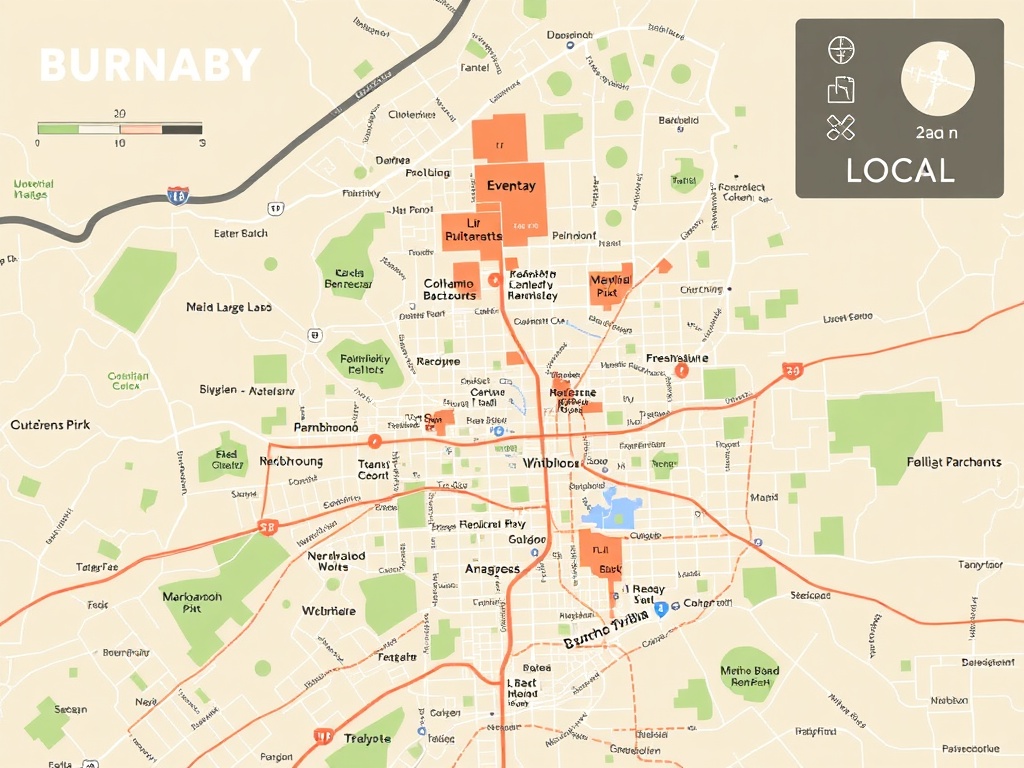
Not Google Maps. Not a saved list. A mental (or lightly documented) map of how Burnaby actually works for you.
Burnaby isn’t one cohesive city experience. It’s a collection of micro-zones that behave differently depending on time of day, transit access, and what you’re trying to do. If you treat it like one uniform place, you’ll constantly feel friction.
The people who enjoy Burnaby the most aren’t luckier—they’ve internalized how their zones work.
What a “Zone” Actually Means
A zone isn’t just a neighbourhood. It’s a cluster of places that you naturally group together because they make sense in a single outing.
- A grocery run + quick coffee + short walk
- A gym + takeaway dinner + transit stop
- A park loop + quiet place to sit + nearby parking
Most people accidentally mix zones. That’s where the frustration comes from. You drive across the city for one thing, then realize everything else you need is in the opposite direction.
Why This Matters More in Burnaby Than You Think
Burnaby looks compact on paper. It isn’t in practice.
Traffic patterns shift dramatically depending on time. Transit can be fast in one corridor and painfully indirect in another. Parking availability changes block by block.
And the biggest trap: assuming that proximity equals convenience. It doesn’t.
A 10-minute distance can easily turn into a 30-minute headache if you’re crossing the wrong flow at the wrong time.
How to Build Your Zone Map (Without Overthinking It)
This isn’t a productivity system. You’re not building a spreadsheet. You’re just paying attention with intent for a week.
Step 1: Identify Your Anchor Spots
These are places you already visit regularly:
- Your go-to grocery store
- Your preferred coffee stop
- A park you actually enjoy (not just the closest one)
- Your gym or regular errand location
Most people already have 3–5 anchors. They just haven’t connected them.
Step 2: Observe What Naturally Clusters

Next time you’re out, ask a simple question: what else is easy to do right now without going out of my way?
Not theoretically close—actually easy in that moment.
That’s how zones reveal themselves. Not by planning, but by noticing flow.
Step 3: Lock in 2–3 Reliable Routes
Once you notice patterns, commit to them:
- A weekday quick-errand loop
- A weekend reset route (walk + coffee + groceries)
- An evening fallback (low-effort, no decision-making required)
These routes remove decision fatigue. You stop asking “where should I go?” and start moving automatically.
The Hidden Payoff Nobody Talks About

This isn’t just about saving time. It changes how the city feels.
When your movements make sense, Burnaby stops feeling like a series of errands and starts feeling like a place you actually live in.
You notice small things more. You revisit places instead of constantly searching for new ones. Your routines become smoother without becoming boring.
And most importantly—you stop wasting energy on logistics.
Common Mistakes (That Keep People Stuck)
Even when people try to optimize their routines, they fall into predictable traps:
- Over-optimizing: Trying to build the “perfect” system instead of a usable one
- Chasing novelty: Constantly trying new places instead of building reliable patterns
- Ignoring timing: A route that works at 10am might fail at 5pm
- Mixing transit modes poorly: Driving to a transit-heavy zone or vice versa
The fix is simple: consistency over cleverness.
What This Looks Like in Real Life

Here’s the shift:
Before: You leave the house with one task, improvise everything else, and end up zigzagging across the city.
After: You step into a known zone, complete 3–4 things naturally, and leave without friction.
No stress. No wasted motion. No second-guessing.
It doesn’t look dramatic—but it compounds fast.
Why Most People Never Do This
Because it feels too simple to matter.
People assume improving their lifestyle requires big changes—new routines, new tools, more planning. But in a city like Burnaby, the biggest upgrade is alignment.
Once your habits align with how the city actually works, everything else gets easier.
The One-Line Takeaway
Stop treating Burnaby like one place—start using it as a set of zones that work with your life.
That’s it. No apps. No hacks. Just better awareness applied consistently.
Try it for a week. You’ll notice the difference by day three.