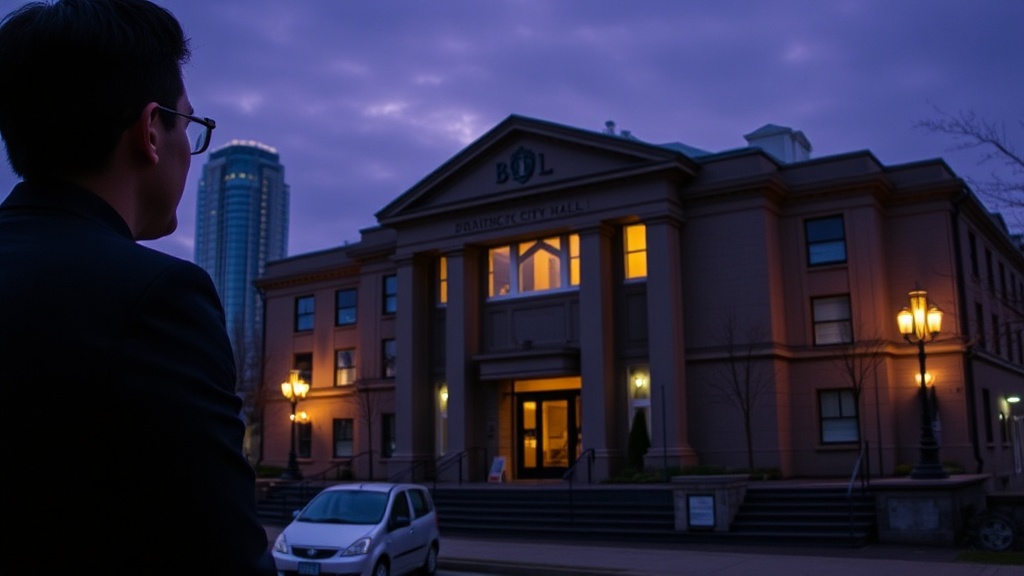
How to Get Your Voice Heard at Burnaby City Hall

How Do I Actually Influence Local Decisions in Burnaby?
You have read the headlines about new developments along Kingsway, noticed the parking changes near Metrotown, or wondered why that intersection by Burnaby Mountain Secondary still does not have a proper crosswalk. Most of us complain to friends, post on neighbourhood Facebook groups, and then nothing changes. But here is the truth: Burnaby City Hall is more accessible than people think. The city operates under a council-manager system where elected officials actually read your emails, attend public hearings, and adjust plans based on community input. Whether you live in Edmonds, Brentwood, or the Heights, understanding how to engage with municipal government means turning frustration into actual results for our community.
Burnaby is the third-largest city in British Columbia with over 250,000 residents, yet our civic processes remain surprisingly approachable. I have watched neighbours successfully advocate for speed bumps on their street, preserve heritage trees in Central Park, and modify development proposals before shovels hit the ground. The difference between being ignored and being heard comes down to knowing which channels work, when to show up, and how to speak the language that gets staff and council to pay attention.
Where and When Can I Speak Directly to Burnaby Council?
Burnaby City Council holds regular public meetings at the Council Chamber on 4949 Canada Way, and these sessions include designated periods for public input. The schedule is published online through the city's official meetings portal, typically running Monday evenings with afternoon and evening sessions. You do not need to register in advance for most public comment periods, though arriving early helps you secure a speaking slot.
Here is what actually happens: you sign up at the door, wait for your name to be called during the public hearing portion, and then have five minutes to address council directly. This is not a dialogue format — you speak, they listen, and council members may ask clarifying questions afterward. The key is preparation. Write your points down, practice staying within the time limit, and bring printed copies for each council member. I have seen residents derail their own messages by rambling or getting emotional. Stick to facts about how the issue affects your neighbourhood in Burnaby specifically.
Public hearings typically address rezoning applications, bylaws, and major policy changes. If you are concerned about a specific development — say, the new towers proposed near Lougheed Town Centre — check the city's development applications page to see when the public hearing is scheduled. Missing these windows means missing your chance to shape outcomes before decisions are finalized.
How Do I Write Emails That Burnaby Staff Actually Read?
City staff in Burnaby process hundreds of correspondence items monthly, so standing out requires strategy. Generic form letters get counted and filed. Personalized, specific messages get forwarded to department heads and cited in reports. When writing to Mayor Mike Hurley and council, or to specific department directors, follow these practices that actually work.
First, put your Burnaby address in the first line. Staff prioritize input from residents who live within the affected area. Second, reference specific file numbers when possible — development applications, permit numbers, or bylaw references show you have done your homework. Third, explain concrete impacts rather than abstract opposition. Instead of writing "this development is too big," explain that "the proposed 35-storey tower at Willingdon and Sanders will cast shadows on the existing playground at Confederation Park Community Centre after 2 PM in winter."
Email addresses follow a predictable pattern: firstname.lastname@burnaby.ca for most staff. The main council inbox is council@burnaby.ca. For planning matters specifically, contact the Planning Department directly at planning@burnaby.ca. Response times vary from a few days to several weeks depending on workload, but you will receive an acknowledgment that your message has been logged. Persistent, respectful follow-up after two weeks is completely appropriate.
What Is the Most Effective Way to Organize Neighbours for Change?
Individual complaints get filed. Organized groups get meetings. In Burnaby, neighbourhood associations and community groups carry significant weight in municipal decision-making. The Federation of Burnaby Neighbourhoods represents over 20 resident associations across the city, and council members regularly attend their meetings to hear concerns directly.
If your block or building does not have an organized group, starting one is straightforward. Gather signatures from 10-15 neighbours expressing concern about a shared issue — traffic safety, park maintenance, development impacts — and request a meeting with the appropriate city department. Transportation issues go to Engineering; parks and recreation concerns go to Parks, Recreation and Culture; planning and zoning matters go to the Planning Department. When a delegation arrives with specific asks and documented support, staff create files and track follow-up actions.
The Heights Neighbourhood Association successfully advocated for streetscape improvements along Hastings Street. The Burnaby Lake Area Residents Association has been vocal about environmental protections around the lake. These groups meet monthly, maintain email lists of engaged residents, and assign members to attend relevant council meetings. You do not need to be a formal non-profit — just organized, consistent, and focused on specific, achievable outcomes.
How Can I Track What Burnaby Council Is Actually Deciding?
Most civic engagement happens reactively. Someone posts about a rezoning on Nextdoor, everyone gets upset, and by the time you investigate, the decision has already been made. Proactive monitoring puts you ahead of the curve.
Burnaby's website offers several tracking tools. The Current Development Projects map shows every active application with documents, renderings, and status updates. You can subscribe to email notifications for specific properties or areas. The council meeting agendas are published the Thursday before each Monday meeting, giving you the weekend to review what will be discussed.
For faster updates, follow the city's official Twitter account (@CityofBurnaby) and the Mayor's office (@MayorHurley). Local journalists including those at Burnaby Now cover council meetings and publish recaps that highlight contentious votes. Reading these sources weekly keeps you informed without requiring you to attend every meeting yourself.
The Development Tracker portal is particularly useful if you own property near proposed changes. Enter your address and set a notification radius — you will receive emails whenever applications are submitted within that distance. This is how many residents first learned about the significant redevelopment plans for the Brentwood and Lougheed areas years before construction began.
What Should I Know About Burnaby's Committee Structure?
Beyond council meetings, Burnaby operates numerous advisory committees that shape policy before it reaches elected officials. The Environment Committee, the Heritage Commission, the Transportation Committee, and the Social Issues Committee all include citizen members alongside council appointees. These committees meet monthly, review detailed reports, and make recommendations to council.
Applying to serve on a committee requires submitting an application through the city clerk's office, typically during annual recruitment periods advertised on the municipal website. Terms usually last two years. Current members often learn about issues months before they become public knowledge — upcoming bike lane proposals, park master plans, or changes to community centre programming. Even if you do not serve on a committee, most hold public portions of their meetings where residents can observe and occasionally comment.
The complete list of committees and their meeting schedules is published online. Reviewing their agendas shows you which issues are actively being discussed versus which ones are stalled. This context helps you time your input strategically — commenting on an active file while staff are drafting recommendations has far more impact than raising issues the city has already decided to defer.
How Do I Escalate When Initial Responses Are Not Satisfactory?
Sometimes you follow all the steps — write the email, attend the meeting, organize the neighbours — and still feel ignored. Burnaby has formal complaint and appeal processes for specific situations. The Office of the City Clerk tracks all correspondence and can verify whether your input was properly recorded. For planning decisions, the Board of Variance hears appeals related to zoning relaxations and minor variances.
The Provincial Ombudsman also accepts complaints about municipal conduct, though this typically addresses process failures rather than disagreeing with outcomes. Before escalating externally, request a meeting with the relevant department manager. Directors of Engineering, Planning, Parks, and other departments hold office hours and will meet with resident groups to discuss ongoing concerns. Bring documentation of your previous attempts to resolve the issue.
For significant policy matters — like the city-wide parking strategy or the official community plan updates — council occasionally authorizes independent consultants to conduct additional community engagement. Participating in these processes, even when you are skeptical of their impact, ensures your perspective enters the official record. When council members face divided community opinion, they often default to whatever input is most thoroughly documented.
Democracy in Burnaby is not a spectator sport. The residents who show up consistently, speak knowledgeably, and build coalitions with their neighbours shape the city we are becoming. Your voice matters — but only if you use it through the channels that actually reach decision-makers.