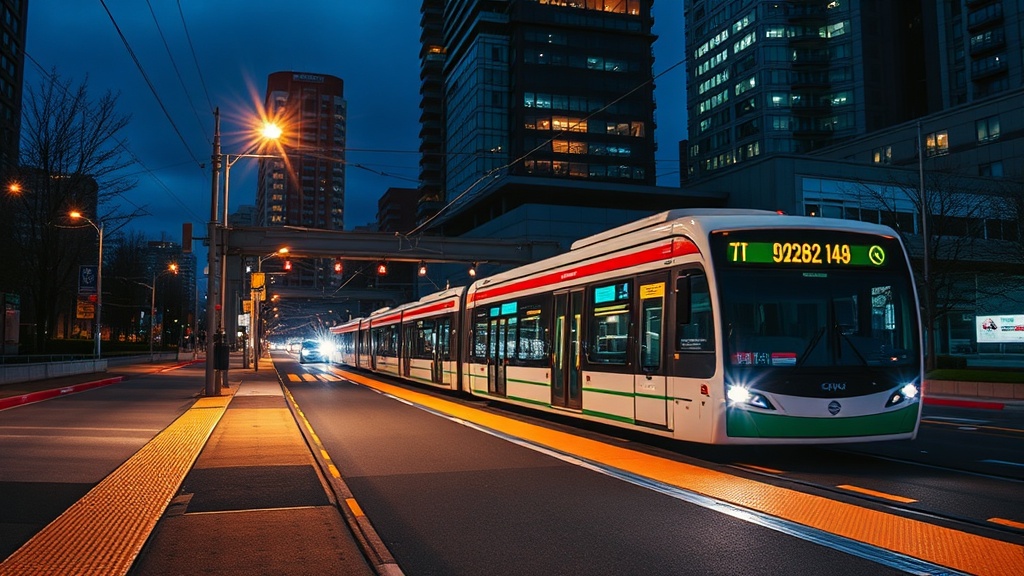
handling Burnaby's Rapid Transit Changes and Local Infrastructure

Most people assume that once a new Skytrain station opens, the local commute becomes a breeze. In reality, the expansion of the transit network in Burnaby changes more than just how we get to work; it shifts the entire rhythm of our neighbourhoods. Whether you live near the Metrotown hub or out near Brentwood, the way we interact with our streets, parking, and local bus routes is undergoing a massive transformation. We aren't just talking about longer trains—we're talking about how our local roads, construction schedules, and community connectivity are being reshaped by the city's growth.
The constant construction near the Lougheed Town Centre and the ongoing developments around the SkyTrain lines can feel overwhelming. It's easy to get frustrated when a familiar detour appears on Hastings Street or when a local bus route is temporarily rerouted. However, understanding the long-term vision for Burnaby's transit-oriented development can help us better prepare for the changes ahead. We are seeing a transition from a car-centric suburb to a more interconnected, transit-heavy urban centre.
Where can I find real-time transit updates for Burnaby?
If you're trying to get around Burnaby without getting stuck in a construction detour, you can't rely on old habits. The most reliable way to stay informed is by checking the official TransLink website for real-time alerts regarding the Expo and Millennium lines. If you're relying on local bus routes near SFU or within the Edmonds area, the mobile app is your best friend. We've found that checking the alerts before leaving the house saves us from much unnecessary stress when a single lane is closed for utility work near Central Park.
Local road closures also happen frequently due to municipal work. The City of Burnaby official site is where you should look for announcements regarding water main replacements or road upgrades that might affect your commute through North Burnaby or near the Brentwood area. Knowing these schedules ahead of time helps our community avoid the typical Friday afternoon gridlock.
How does the new development affect Burnaby parking?
As high-density residential towers rise up around the SkyTrain stations, the demand for street parking in our Burnaby neighbourhoods is shifting. We've noticed that in areas like Metrotown, finding a spot near a local shop is becoming a much bigger challenge than it was five years ago. This isn't just a coincidence; it's a direct result of the increased density planned for our city.
- Residential Parking Permits: Many of us are looking into whether our specific street qualifies for residential parking zones as more people move closer to the transit hubs.
- Parkades vs. Street Parking: With more amenities moving into the Brentwood and Metrotown cores, the reliance on underground parking structures is growing.
- Loading Zones: Local businesses are also feeling the squeeze, often needing to negotiate better access for deliveries as the streets get more crowded.
It's a bit of a learning curve for all of us, but adapting to this more urbanized style of living is part of what makes Burnaby a growing, vibrant place to live. We have to rethink how we approach errands and even how we plan our weekend outings to avoid the busiest transit-adjacent zones.
What are the best ways to avoid construction traffic in Burnaby?
Avoiding the heavy machinery and orange cones requires a bit of strategy. If you're traveling through the Brentwood area during peak hours, you're almost guaranteed to encounter delays due to the ongoing construction projects. One trick we use is to use the peripheral routes through residential streets, though we must be careful not to disrupt the peace of our neighbors in the quiet areas of Burnaby.
Another tip is to use the SkyTrain whenever possible. While the construction noise and station-area changes can be a nuisance, the reliability of the rail system often beats the unpredictability of driving through the heavy construction zones near the Lougheed area. If you are driving, try to time your trips to avoid the heavy construction windows often set by the city during mid-day or late evening.
We also suggest keeping an eye on local community boards. Often, the most immediate information about a local road closure in Burnaby comes from neighbors discussing it on local forums or social groups before it even hits the mainstream news. Staying connected with your immediate surroundings is the best way to stay ahead of the curve.
Ultimately, the goal of these massive infrastructure shifts is to create a more walkable and transit-friendly Burnaby. While the short-term friction of construction and changing traffic patterns is a headache, the long-term benefit is a more connected community. We're moving toward a version of Burnaby that feels less like a series of disconnected suburbs and more like a cohesive, modern city. It takes patience, but it's a change worth handling together.