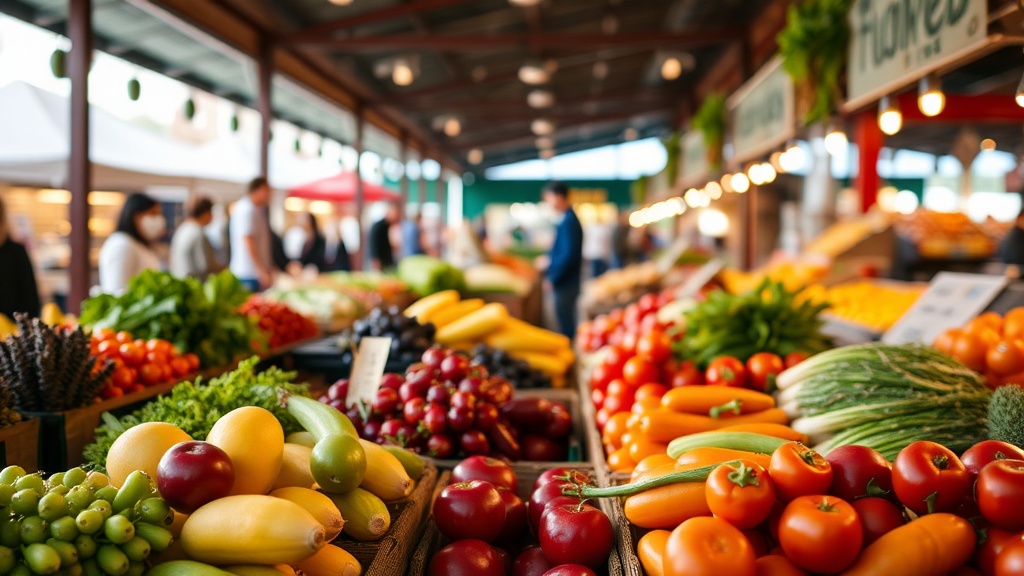
Finding the Best Seasonal Produce at Burnaby Farmers Markets

Did you know that nearly 70% of the produce found in typical grocery stores travels over 1,500 kilometers before it reaches your plate? When you shop at a local Burnaby farmers market, you're cutting that distance down to a few dozen kilometers, which drastically improves nutrient density and flavor. This post breaks down exactly how to identify peak-season produce, which markets in the Burnaby area offer the best variety, and how to budget your way through a seasonal haul.
Which Burnaby Farmers Markets Offer the Best Seasonal Produce?
The best produce depends on whether you want a large variety of vegetables or specialized artisanal goods. The Burnaby Farmers Market (often hosted at Bonseng Park or local community centers) is your primary destination for high-volume seasonal crops. If you're looking for specific niche items like organic microgreens or heirloom tomatoes, the Greater Vancouver Farmers Markets (GVFM) network provides a reliable way to find vetted vendors.
Here is a quick breakdown of where to head based on your specific needs:
- For Variety and Volume: Look for the larger weekend markets near Central Park or the upcoming seasonal pop-ups in Brentwood. These often have more vendors selling bulk items like potatoes or squash.
- For Specialized Goods: Visit the smaller, boutique-style markets. This is where you'll find things like small-batch honey or artisanal goat cheese from the Fraser Valley.
- For Convenience: The smaller community-based markets are perfect if you just need a quick bunch of herbs or a pint of berries on a Saturday morning.
It's worth noting that many of these vendors are members of the BC Farmers Market network, which ensures they follow specific local standards. You aren't just buying a tomato; you're buying from a grower who understands the specific microclimates of the Lower Mainland.
If you're a regular, you'll notice that the selection shifts almost weekly. One week it's all about the snap peas and strawberries; the next, it's heavy on the kale and root vegetables. (I've personally found that the best stuff often disappears by 11:00 AM, so get there early.)
How Much Does Seasonal Produce Cost in Burnaby?
Seasonal produce prices at farmers markets typically fluctuate based on current local yields and the time of year. While a pint of strawberries might be cheaper in July than in May, you'll often find that the price per unit is higher than at a discount grocery store because you're paying for quality and lack of preservatives.
To help you plan your budget, I've put together a rough comparison of what you might expect to pay for common seasonal items in the Burn bany area:
| Produce Item | Typical Seasonal Window | Estimated Price (Per Unit/Weight) |
|---|---|---|
| Strawberries | June - July | $5.00 - $7.00 per pint |
| Heirloom Tomatoes | August - September | $4.00 - $6.00 per lb |
| Snap Peas | June - August | $4.00 - $5.00 per lb |
| Brussels Sprouts | October - November | $5.00 - $7.00 per lb |
That said, don't let the price tag scare you off. When you buy a tomato that actually tastes like a tomato—rather than a watery, pale imitation—the value is obvious. You're paying for the labor of a local farmer, not a global shipping-logistics company. If you're on a tight budget, look for the "seconds" or "imperfect" bins. Many vendors sell slightly bruised or oddly shaped produce at a significant discount, which is perfect for making sauces or soups.
One thing to keep in mind: many vendors only accept cash or specific digital transfers. I always carry a bit of physical cash just in case. It's a small detail, but it saves you from the frustration of a declined card at a stand near the end of the market.
How Do You Identify High-Quality Produce?
High-quality produce is identified by its weight, scent, and color intensity. If you're buying berries, they should be firm and have a scent that actually reaches you from a few inches away. If you're buying leafy greens, look for vibrancy and turgidity—basically, you want them to look hydrated and crisp, not limp.
Here is a quick checklist for your next market run:
- The Scent Test: If a fruit or vegetable has no smell, it likely hasn't reached peak ripeness. A ripe peach or a fresh bunch of basil should have a noticeable aroma.
- The Weight Factor: For items like citrus or root vegetables, pick them up. They should feel heavy for their size, indicating high water content and freshness.
- Color Consistency: Look for uniform color. A tomato with uneven blotches might be ripening unevenly, whereas a deep, consistent red usually signals a better flavor profile.
- The Texture Check: Avoid anything that feels "mushy" or has soft spots. This is especially important for stone fruits like plums or nectarines.
I once spent an entire summer trying to find the perfect way to pick out avocados, only to realize that at a local market, the rule is simple: if it feels slightly soft but not "givey," it's ready. If it's hard as a rock, it'll take a week. If it's soft, it's for today.
For more technical details on food safety and how produce is handled, you can check out the Government of Canada's food safety guidelines. It's a great resource if you want to understand more about the standards your local farmers are adhering to.
"The best way to eat seasonally is to let the market tell you what's ready. Don't fight the seasons; embrace the rotation."
A great tip for those who want to get serious about their kitchen game: follow the concept of seasonal eating. It's not just a trend; it's a way to ensure you're getting the maximum vitamin content from your food. For example, the Vitamin C content in certain greens is much higher when they are harvested locally and consumed immediately rather than sitting in a shipping container for weeks.
When you're at the market, don't be afraid to ask the vendor questions. "How long has this been in the ground?" or "What's the best way to cook this?" are perfectly normal questions. Most of these growers are incredibly passionate about their work and are happy to share their expertise. It turns a simple transaction into a learning experience.
If you find a vendor with a product you love—say, a specific type of honey or a certain variety of kale—buy a little more than you think you need. These vendors often have limited stock, and once a seasonal item is gone, it's gone until next year. It's much better to have a surplus of basil in your freezer than to wish you'd bought more when you're halfway through a recipe.
One final thought: keep an eye on the weather. Rain in the Lower Mainland can sometimes shift the harvest schedule. If we have a particularly wet June, your berry prices might spike or the season might start a week late. Being aware of the local weather patterns helps you manage your expectations and your grocery budget more effectively.
Steps
- 1
Check the Seasonal Calendar
- 2
Arrive Early for Best Selection
- 3
Bring Reusable Bags and Cash
- 4
Ask Vendors About Harvest Dates